SEBI’s F&O Cleanup: What It Means for NSE and Its Unlisted Valuation
24 November 2025
A deep-dive Ultra-style analysis on how SEBI’s tightening of F&O regulations reshapes NSE’s growth outlook, derivatives income, and unlisted share valuations.

Why SEBI Is Targeting Retail F&O Traders
SEBI is aggressively stepping in to rein in speculative F&O (futures & options) trading, particularly among retail investors. While its stated goal is to protect investors, the move has powerful implications for the National Stock Exchange (NSE) — especially for those holding or evaluating its unlisted shares. The key question now is whether this regulatory crackdown could reshape how the market values NSE, pivoting it from a derivatives-driven profit engine into a more balanced, long-term infrastructure play.
In its internal studies, SEBI found that a large majority of individual F&O traders — as much as 91% — are net losers. Retail losses in derivative trades reportedly crossed a staggering ₹1.06 lakh crore in the most recent fiscal year. The regulator sees multiple warning signs:
Leverage abuse and lack of trader understanding
Social media influence and aggressive retail marketing
High churn in weekly options, especially on equity indices
Elevated risk of financial distress among inexperienced investors
As a response, SEBI is tightening the screws: raising margin requirements, demanding stronger risk disclosures from platforms, and introducing suitability assessments. On top of that, the regulator is rethinking the very structure of options contracts — potentially eliminating short-term expiries altogether.
The Jane Street Incident: Market Integrity Under Fire
SEBI’s crackdown isn’t just about retail traders. It is also taking aim at sophisticated global firms allegedly manipulating markets. In a high-profile case, SEBI accused Jane Street, a major proprietary trading firm, of artificially inflating index levels in cash and futures markets and then shorting options to profit on the downside.
SEBI claims Jane Street made hundreds of millions of dollars via a coordinated strategy. The exchange regulator has ordered the return of these alleged “illegal gains.” While Jane Street has denied the allegations and is preparing to fight back legally, the episode signals SEBI’s renewed intent to police large institutional flows and protect against systemic risk.
How F&O Fueled NSE’s Growth — And Why That Matters
Over the past several years, NSE has ridden the derivatives boom. Retail traders, algorithmic firms, and speculative players have amplified volumes, particularly in weekly options, which created a massive revenue stream for the exchange. According to data, a significant portion of NSE’s profitability has been tied to transaction charges from F&O trades.
As a result:
NSE solidified its dominance in derivatives.
The exchange scaled its infrastructure and cleared volumes at a lightning pace.
High turnover translated to strong fee-based income, supporting its unlisted valuation thesis.
In other words, NSE’s unlisted shares weren’t just riding on cash market dominance — they were being priced as a derivatives powerhouse.
The Risk: Regulatory Headwinds and Volume Decline
SEBI’s reforms threaten to erode this core driver of value. By increasing margins, enforcing stricter risk norms, and potentially redesigning option expiries, trading activity could slow meaningfully. For NSE, this does not just mean lower volume — it means a direct hit to its most lucrative business line.
Investors in NSE’s unlisted shares are now questioning whether the optimistic growth forecasts baked into its valuation will hold up if F&O volumes revert to a more moderate, regulated equilibrium.
The Bigger Picture: Structural Rebalancing for Long-Term Stability
Yet, SEBI’s cleanup may not be entirely negative for NSE in the long run. Rather than crushing derivatives activity, the regulator appears to be engineering a structural reset — one that pushes markets toward healthier, more sustainable participation.
Here’s how this could work in NSE’s favor:
Retail speculators may be discouraged, but long-term equity participants might be encouraged via better delivery incentives.
Lower-risk institutional participation in options may increase, assuming SEBI’s rules strike the right balance.
NSE could deepen its cash market, data, index licensing, and technology revenue streams.
Reduced volatility might make NSE’s business more resilient and predictable, aiding future IPO prospects.
If the exchange successfully pivots into a more diversified business model, its unlisted valuation could remain intact — though the path will be bumpier in the near term.
Risk Factors to Watch
Regulatory Drift: If SEBI tightens even further, derivatives income could remain depressed.
Volume Normalization: Trading may never return to previous exuberance, affecting long-term projections.
Competition: Other platforms or exchanges could capitalize on lower volatility to compete.
Settlement & Legal Overhang: Disputes like Jane Street’s case or other regulatory claims may continue to cloud NSE’s path.
IPO Timing Risk: If unlisted shareholders expect an IPO, any delay or unfavorable terms could be damaging.
ultra’s Take
SEBI’s F&O crackdown is not just a regulatory story — it’s a fundamental inflection point for NSE’s business. While the short-term impact could pressure revenues and unlisted valuations, the long-term narrative is not broken. If managed well, this cleanup could reposition NSE as a sustainable, infrastructure-led business rather than a derivatives behemoth.
For unlisted investors, this is a time for prudent assessment: navigate with caution, focus on future earnings mix, and monitor regulatory signals closely. Those who entered early may get rewarded, but patience and discipline will be key.
Recent articles
View all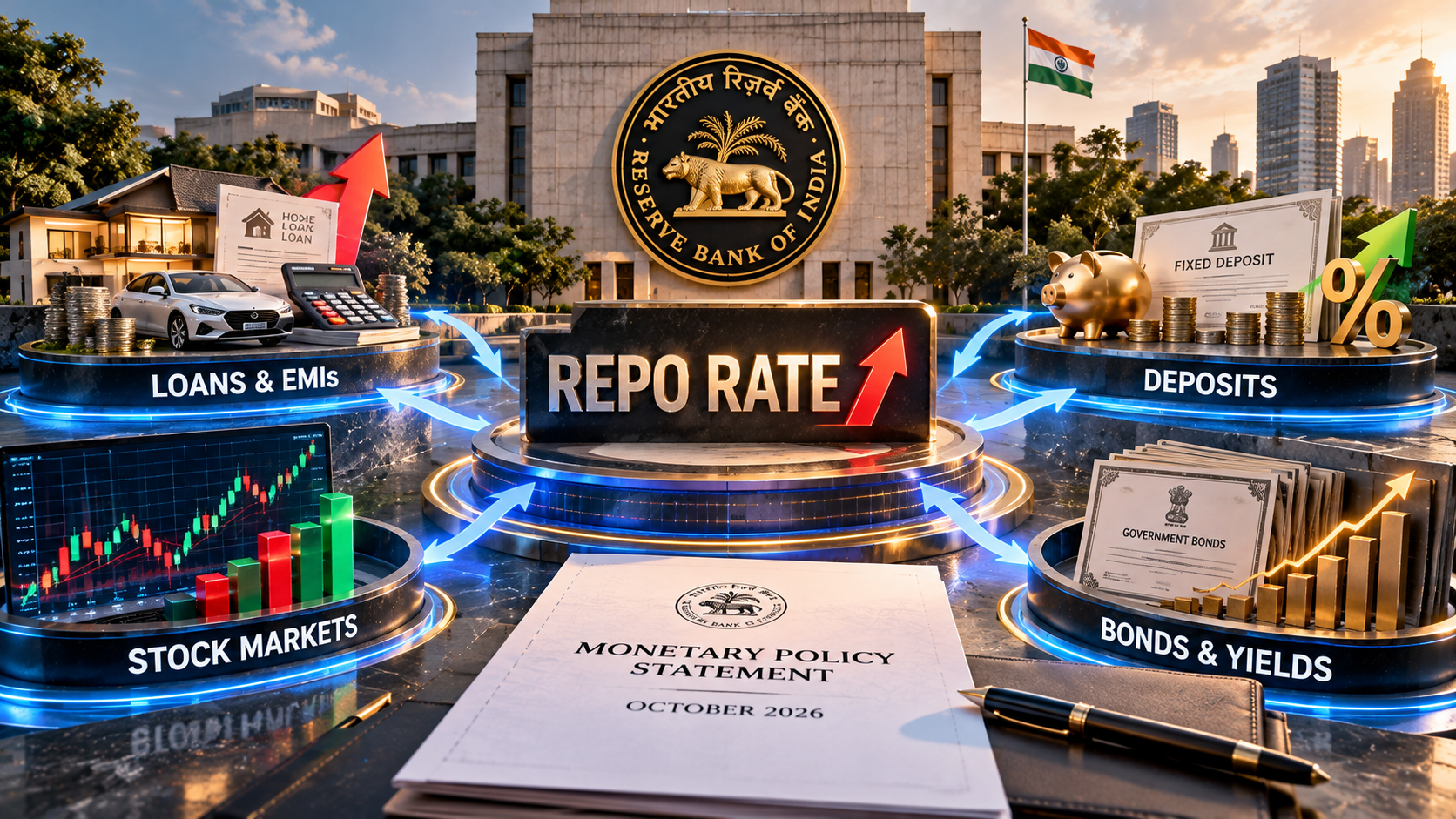
finance
RBI Repo Rate Hike: October 2026 Policy Update, Impact on Loans, EMIs, Deposits & Markets
A simple guide to the October 2026 RBI repo rate hike, what it means for borrowers, depositors, investors, banks and the broader economy.
Sachin Gadekar
·
08 Oct 2026

IPO
Reliance Jio IPO: Date, Price, GMP, Valuation, Review & Details
A complete guide to Reliance Jio IPO 2026, covering Jio Platforms IPO details, issue size, expected date, price band status, GMP context, shareholder quota, company profile, financials, valuation and risks.
Sachin Gadekar
·
07 Oct 2026

IPO
HD Fire Protect IPO Details: Date, Price, GMP, Review & How to Apply
A complete guide to HD Fire Protect IPO 2026, covering issue size, OFS structure, price band, lot size, GMP context, company profile, financials, risks, valuation and application process.
Sachin Gadekar
·
07 Oct 2026

IPO
Nityas Gems & Jewellery IPO Details: Date, Price, GMP, Review & How to Apply
A complete guide to Nityas Gems & Jewellery IPO 2026, covering issue size, GMP context, price band, lot size, company profile, financials, risks, valuation and application process.
Sachin Gadekar
·
05 Oct 2026