How HNIs Can Invest in Sustainable and Green Bonds for Fixed Income
09 November 2025
Balancing stable returns with environmental responsibility through sustainable bond investing.
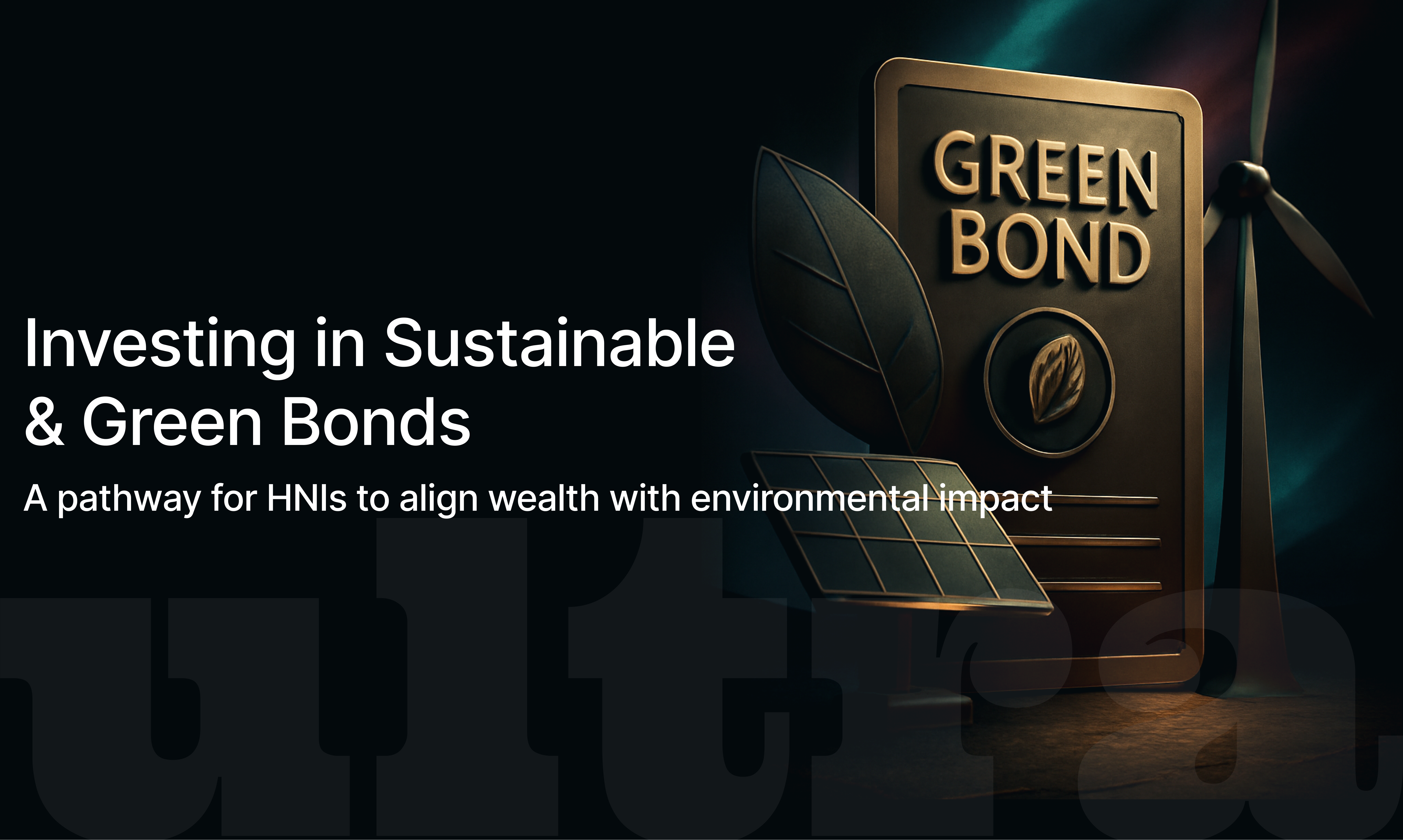
Understanding Sustainable and Green Bonds
As global awareness around sustainability grows, investors are increasingly aligning their portfolios with environmentally conscious strategies. For High Net-Worth Individuals (HNIs), this presents a dual opportunity: generating consistent fixed income and contributing to green and social impact initiatives. One of the most effective tools to achieve this balance is through sustainable and green bonds.
This article explores how HNIs can invest in these bonds, their benefits, associated risks, and how platforms like ultra simplify access to such sustainable investment opportunities.
Green bonds are fixed-income instruments where the proceeds are used exclusively to finance environmentally friendly projects such as renewable energy, clean transportation, water conservation, or pollution control.
Similarly, sustainable bonds can fund a wider range of initiatives, including social development and governance-related projects. These instruments are typically issued by governments, corporations, and financial institutions that adhere to global sustainability standards like the Green Bond Principles (GBP).
For HNIs seeking to diversify beyond traditional fixed deposits and corporate bonds, these investments offer a combination of ethical alignment and portfolio stability.
Why Green Bonds Appeal to HNIs
1. Environmental and Social Impact
HNIs increasingly consider the environmental footprint of their investments. Green bonds allow them to play a part in combating climate change while still earning fixed returns.
For example, proceeds from these bonds may fund solar parks, electric vehicle infrastructure, or waste management systems—all of which contribute to a greener future.
2. Stable Returns with Lower Risk
Green bonds typically have a credit profile similar to traditional bonds, as they are often issued by sovereigns, quasi-sovereigns, or high-rated corporates. This makes them ideal for risk-averse HNIs looking for predictable fixed income with a sustainability edge.
3. Portfolio Diversification
Adding green or ESG-linked instruments helps diversify an HNI’s fixed income portfolio across geographies, industries, and impact themes.
Platforms like ultra offer a curated range of such opportunities—helping investors seamlessly include sustainability-oriented assets alongside other fixed income products.
4. Tax Efficiency and Regulatory Support
Many green bonds come with tax incentives or priority status, depending on the issuer and project type. Additionally, India’s regulatory bodies—such as SEBI—have introduced frameworks for green bond issuance, enhancing transparency and investor confidence.
How HNIs Can Invest in Green Bonds
1. Through Domestic Issuers
Indian entities like REC Ltd., Power Finance Corporation (PFC), and SBI have issued green bonds domestically and internationally. HNIs can invest directly via bond platforms or wealth management firms.
2. Via Global Green Bond Funds
HNIs seeking geographical diversification can invest in global green bond ETFs or mutual funds, offering exposure to international issuers such as the World Bank or European Investment Bank (EIB).
3. Private Placement via Investment Platforms
Platforms like ultra provide access to private fixed-income deals, including sustainable and ESG-focused products. These opportunities are screened for credit quality, yield potential, and impact relevance—making them suitable for HNIs seeking transparent, data-backed investments.
4. Through Portfolio Management Services (PMS)
HNIs can opt for customized portfolios through PMS providers who incorporate green bonds and sustainable debt as part of an ESG-driven investment mandate.
Key Considerations Before Investing
1. Verify the “Green” Label
Not all labeled green bonds are genuinely sustainable. HNIs should ensure that the issuer follows recognized frameworks, such as the ICMA Green Bond Principles or Climate Bonds Standard.
2. Assess Creditworthiness
Just like traditional bonds, investors must analyze credit ratings, issuer history, and repayment capacity before investing.
3. Understand Liquidity Constraints
While many green bonds trade in secondary markets, liquidity levels vary. Hence, aligning the investment horizon with liquidity needs is crucial.
4. Evaluate Yield vs. Risk
Some green bonds may offer slightly lower yields due to their ESG appeal. HNIs must weigh the trade-off between ethical impact and income potential.
The Role of ultra in Sustainable Investing
At ultra, investors can access a diverse range of fixed income products, including structured debt, private credit, and green bonds. ultra bridges the gap between impact investing and income generation, offering HNIs opportunities that align with both financial goals and social responsibility.
By combining due diligence, data-driven analysis, and seamless digital access, ultra enables HNIs to confidently explore sustainable fixed income opportunities that fit within a broader wealth strategy.
Conclusion
Sustainable and green bonds are no longer niche instruments—they are becoming mainstream assets in modern fixed income portfolios. For HNIs, they represent a way to earn steady returns, diversify holdings, and support meaningful causes.
With the growing focus on ESG-compliant investments, platforms like ultra are helping investors transition toward a greener, more responsible investment future—without compromising on financial performance.
FAQs
1. What are green bonds?
Green bonds are debt instruments issued to fund environmentally friendly projects such as renewable energy, sustainable agriculture, or waste management.
2. Are green bonds suitable for HNIs?
Yes, they offer steady fixed returns, diversification benefits, and a chance to invest in sustainable projects, aligning well with HNI portfolio goals.
3. Do green bonds offer tax benefits?
Certain green bond issues may provide tax exemptions or deductions, depending on the issuer and project category.
4. How can HNIs invest in green bonds in India?
They can invest through banks, mutual funds, PMS providers, or platforms like ultra that list curated sustainable fixed income products.
5. What are the risks associated with green bonds?
The main risks include credit risk, liquidity risk, and greenwashing, where bonds may falsely claim sustainability credentials.
Recent articles
View all
IPO
Orient Cables IPO Date, Price, GMP, Review & Details
A complete guide to Orient Cables IPO 2026, covering issue size, GMP context, price band, lot size, subscription status, company profile, financials, risks and application process.
Sachin Gadekar
·
30 Sep 2026

IPO
A-One Steels IPO Date, Price, GMP, Review & Details
A complete guide to A-One Steels IPO 2026, covering issue size, GMP context, price band, lot size, subscription status, company profile, financials, risks and application process.
Sachin Gadekar
·
29 Sep 2026

IPO
Moneyview IPO GMP Details: Date, Price Band, Subscription Status, Review & How to Apply
A complete guide to Moneyview IPO 2026, covering issue size, GMP context, price band, issue price, lot size, subscription status, company profile, financials, risks and application process.
Sachin Gadekar
·
28 Sep 2026
IPO
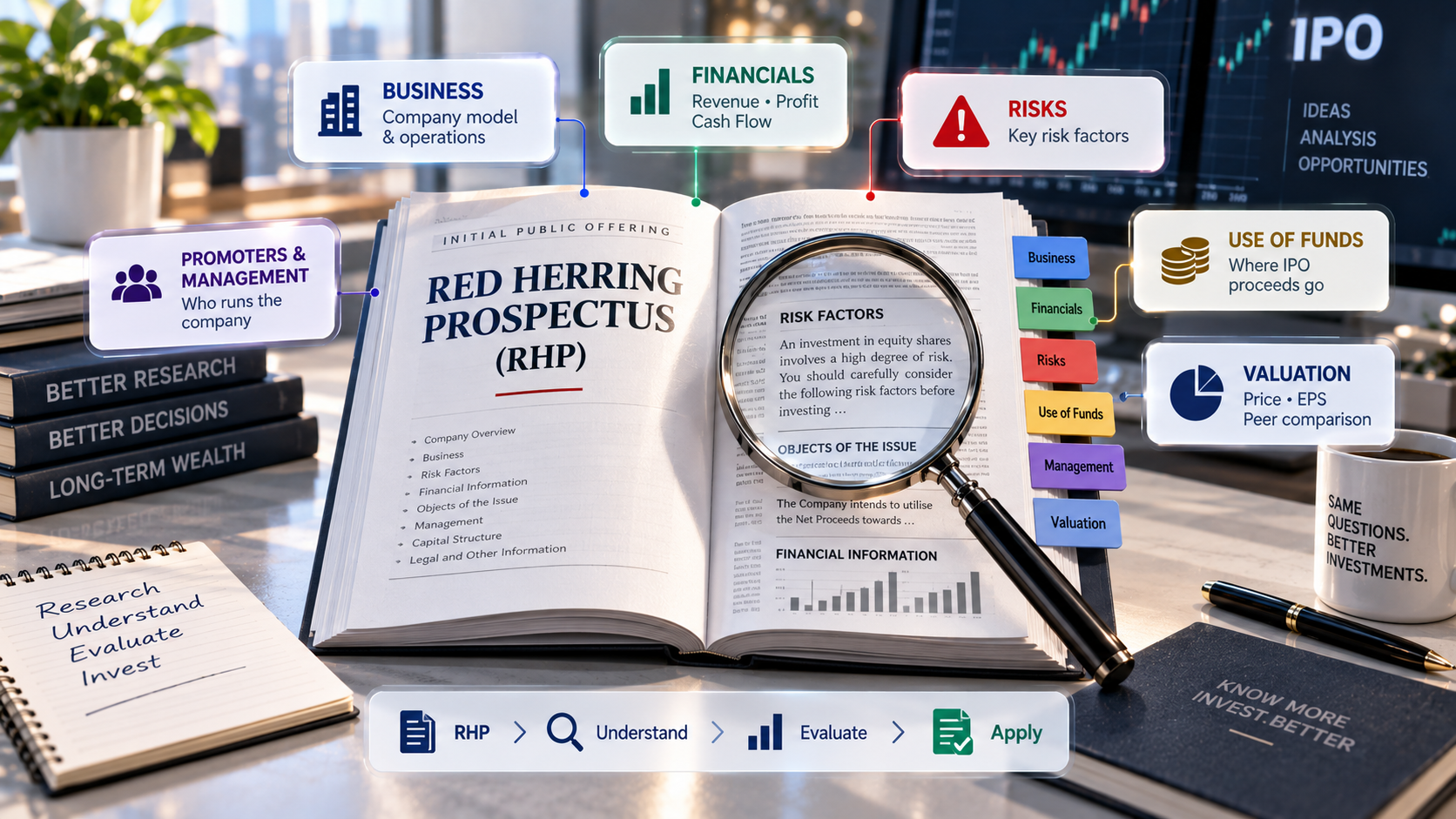
How to Read an IPO RHP Before Applying
A beginner-friendly guide to reading an IPO Red Herring Prospectus and understanding the key sections investors should review before applying.
Sachin Gadekar
·
24 Sep 2026